Why After-Hours HVAC Calls Are Your Biggest Missed Opportunity
After-hours HVAC calls account for 45% to 65% of all HVAC and plumbing calls, yet most business owners don’t even know they’re missing them. Data shows that 71% of HVAC companies miss calls during peak service seasons, meaning the busiest moments for your customers are the exact moments your phone lines are failing them.
It’s 9:47 on a Tuesday night and a homeowner in Thousand Oaks just watched water start dripping from a vent in her ceiling. She doesn’t know if it’s her AC unit or something worse. She grabs her phone, searches “HVAC company near me,” and taps the first result with good reviews.
It rings four times. Then voicemail.
She hangs up and calls the next number on the list.
71% of HVAC companies miss incoming customer calls during their peak service seasons.
After-hours HVAC calls aren’t edge cases. They are high-intent, ready-to-book leads, and every unanswered ring hands them directly to your competitor.
Most HVAC business owners think of after-hours calls as a scheduling problem. Either you’re available or you’re not. But the real issue isn’t availability, it’s what happens in the gap between the customer’s urgency and your response.
That gap costs you money. Specifically, it hands a warm, motivated lead directly to your competitor.
Homeowners with HVAC emergencies don’t wait. They call until someone answers. A broken AC in a Ventura County summer is not a “call back during business hours” situation, it’s a $200 to $800 service call walking out your door in real time.
The Hidden Revenue Leak in Your Phone System
The hidden cost of missed after-hours HVAC calls adds up fast. Consider a company staffed 7 AM to 6 PM, Monday through Friday, that leaves roughly 105 hours every week when the phone rings and nobody answers.
Weekend calls, evening calls, holiday calls, these aren’t edge cases. These are peak urgency moments. Customers call when their system fails, not when your office opens. Therefore, every unanswered after-hours call is a booked job you never knew you missed.
Most HVAC owners have no idea how many calls they’re missing because the data simply doesn’t exist. No one logged it. No report tracked it. However, even a conservative estimate of two to three lost calls per week, at an average ticket of $350, adds up to over $36,000 in missed revenue per year.
What Customers Actually Experience When You Don’t Answer
Put yourself in that homeowner’s position. Her AC goes down during a heat advisory. She calls your company. Voicemail. She doesn’t leave a message, studies consistently show that most callers, especially younger ones, never do.
She immediately calls the next business. That company picks up. A friendly automated greeting tells her she’s reached the right place and asks if this is an emergency. She presses one. Within three minutes, she’s talking to a live dispatcher.
You don’t get a second chance at that call.
In addition, there’s a customer experience dimension beyond the lost ticket. Customers who can’t reach you during a stressful moment don’t just go elsewhere, they leave reviews describing exactly what happened. “Called after hours, no one answered, had to call XYZ instead.” That review sits on Google, visible to every future customer who searches your name.
After-Hours HVAC Calls Are Different From Regular Inquiries
Not every after-hours call is an emergency. Some are customers who work during the day and can only call in the evening. Some are property managers checking in on a job. Some are existing customers with follow-up questions.
However, all of them share one thing: they called you at a moment that was convenient for them, not for you. That matters more than most business owners realize.
Because when you make it easy to reach you, at any hour, you signal something important: you’re a professional operation that takes customer service seriously. That impression drives loyalty, repeat business, and referrals far beyond any single service call.
The HVAC companies growing fastest in Ventura County right now aren’t just the ones with the best technicians. They’re the ones that respond faster, communicate better, and make customers feel taken care of from the very first interaction.
According to data from ENERGY STAR, heating and cooling account for nearly half of a homeowner’s total energy costs. When a system fails after hours, it is an immediate financial and comfort emergency. Homeowners calling at 11 PM aren’t looking for quotes—they are ready to book a technician immediately, making after-hours calls your highest-converting revenue opportunity.
The Technology That Closes the Gap
(Without Hiring a Night Dispatcher)
Here’s the good news: solving the after-hours call problem no longer requires staffing a 24/7 call center or paying an answering service $800 a month.
Modern VoIP and cloud communications platforms, the kind built specifically for small service businesses, let you handle after-hours calls intelligently, automatically, and without adding headcount.
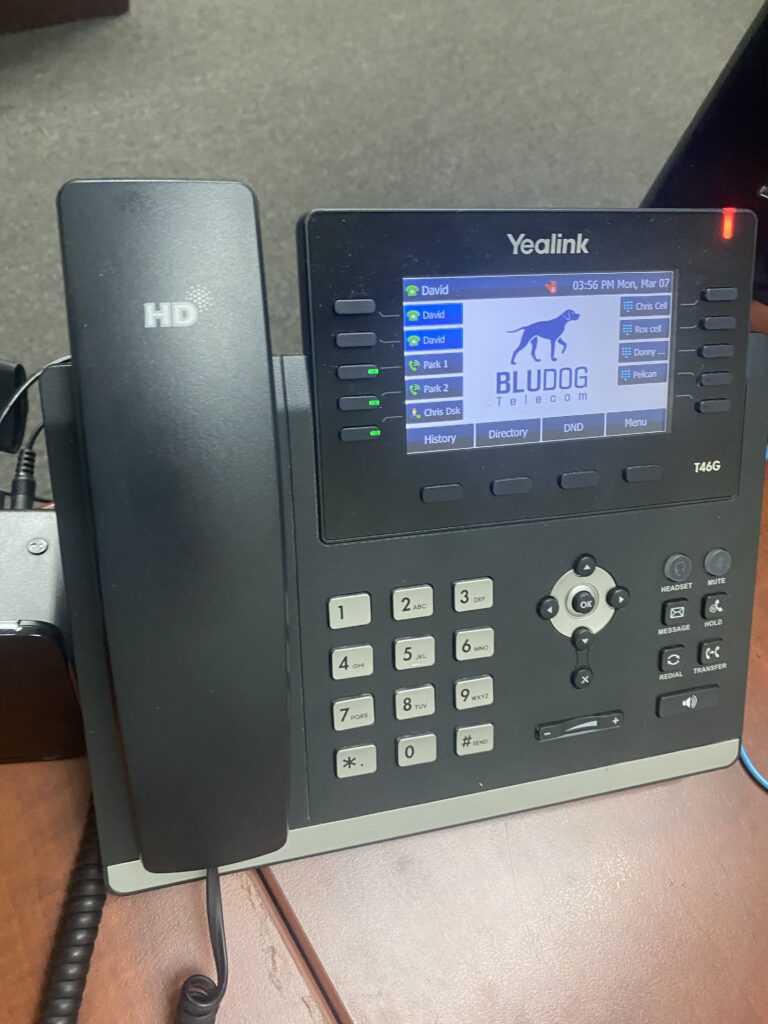
When a customer calls after hours, a smart phone system can greet them professionally, route emergency calls to an on-call technician’s mobile, capture non-urgent messages with a callback request, and even send the customer a text confirmation so they know someone will follow up.
Therefore, instead of four rings and silence, your customer hears: “Thanks for calling [Your Company]. If this is an HVAC emergency, press 1 and we’ll connect you with our on-call tech. For routine scheduling, press 2 and leave us a message, we’ll call you back first thing tomorrow.”
That’s not a staffing solution. That’s a phone system doing its job.
What “Missing Calls” Actually Costs an HVAC Business
The bottom line is simple: after-hours HVAC calls are your highest-converting leads, and missing them is the most expensive thing your phone system does.
If your average service call is $350 and you miss just two calls per week, that’s $700 per week, $36,400 per year, in revenue that never touched your books. At a $600 average ticket, the number climbs past $62,000.
In addition, factor in lifetime customer value. An HVAC customer who gets great service, starting from the first call, typically returns for maintenance agreements, equipment upgrades, and referrals. The true value of one captured after-hours call can easily exceed $2,000 over a multi-year relationship.
The cost of a cloud phone system that handles after-hours calls? A fraction of that. For most small HVAC companies, the ROI is measurable within the first month.
Stop Sending Customers to Your Competitors
The HVAC market in Ventura County is competitive. Customers in Oxnard, Camarillo, Simi Valley, and Moorpark have options, and they move fast when their system goes down.
Your phone system is the front door of your business. If that door is locked after 6 PM, you’re telling customers to find someone else.
At Bludog, we work with HVAC companies and other service businesses right here in Ventura County to make sure their phones work as hard as they do, day and night. Our cloud communications solutions are designed specifically for small businesses that can’t afford to miss a call, but also can’t afford to staff a round-the-clock reception team.
If after-hours calls are costing you jobs you don’t even know you’re losing, let’s talk. Bludog makes it simple.
Don’t Let Another After-Hours Call Go to Your Competitor
Every unanswered call after 6 PM is a job you’ll never see on your books. Bludog’s cloud communications solutions are built for HVAC businesses that can’t afford to miss a lead — day or night.
Contact us today and let’s fix your after-hours call problem for good.