
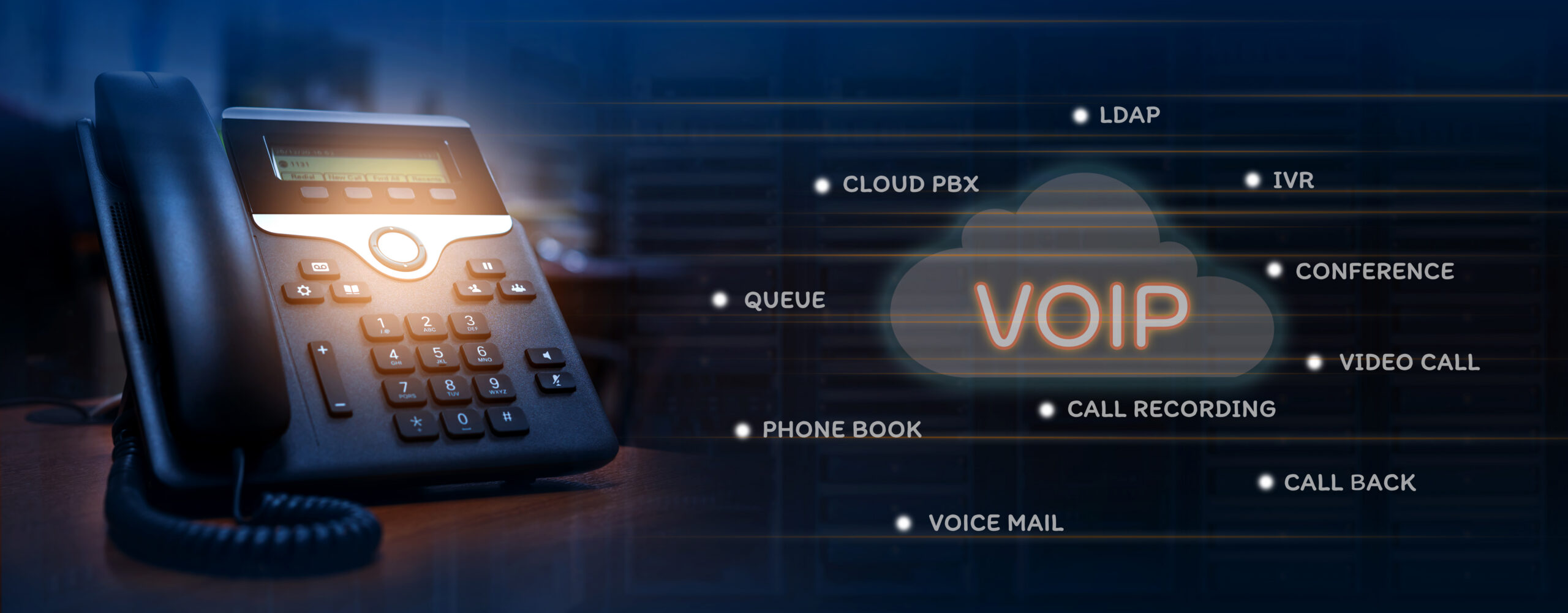
What Is VoIP? 5 Essential Facts Every Small Business Should Know
What It Is and How It Actually Works
What is VoIP? If you’ve researched a new business phone system at all, you’ve run into the term everywhere and probably still aren’t totally sure what it means beyond ‘internet phone thing.’ That’s fair. Most providers explain it in either marketing language or technical jargon, and skip the plain explanation entirely.
Here’s VoIP explained the way it should have been the first time: what it actually is, how it works, and what it means for a small business in Ventura County trying to decide if it’s worth switching to.
What Is VoIP? What It Actually Stands For
VoIP stands for Voice over Internet Protocol. In plain terms, it’s a way of making and receiving phone calls using an internet connection instead of the traditional copper telephone lines that landlines run on.
Instead of your voice traveling as an analog signal down a dedicated phone wire, it’s converted into digital data, sent over the internet the same way an email or a video call would be, and converted back into sound on the other end.
How a Traditional Landline Works
A landline uses a physical copper wire running from the phone company’s network directly to your building. Each line is a dedicated piece of infrastructure. That’s part of why landlines have historically been reliable during power outages (some setups draw power from the phone line itself) but also why adding a new line, changing your number, or updating features requires a physical technician visit in many cases.
Now that you know what VoIP is, here’s how it actually works, step by step.
- You speak into a VoIP phone, app, or headset. Your voice is captured as it always has been.
- The system converts your voice into digital data packets. This is the same basic process your phone uses to send a voice memo or a video call.
- Those packets travel over your internet connection, the same connection your business already uses for email, your website, and everyday browsing.
- On the receiving end, the packets are reassembled into sound almost instantly, so the call sounds and feels like a normal phone conversation.
All of this happens in a fraction of a second, which is why a well-configured VoIP call sounds identical to a traditional call to the person on the other end.
What VoIP Actually Enables
The reason VoIP has become the standard for small business phone systems isn’t really about the calls themselves, it’s about everything a digital signal makes possible that a copper wire never could:
- Call routing rules that ring multiple people, in sequence or all at once, based on time of day or who’s available.
- Mobile apps that turn any smartphone into a full extension of the business phone system, no separate hardware required.
- Voicemail-to-text or voicemail-to-email transcription, since voicemail is just another form of digital data once it’s part of a VoIP system.
- Call analytics, missed call counts, call volume by time of day, average call length, because every call already exists as trackable data.
- Instant number changes and staff reassignments, since routing rules live in software, not physical wiring.
None of these features are technically “VoIP features” on their own — they’re things that become possible once your phone system is software instead of hardware.
What You Need for VoIP to Work Well
VoIP calls travel over your internet connection, so call quality depends on having a stable, sufficiently fast connection. For most small businesses, a standard business-grade internet connection is more than enough to handle several simultaneous calls without any noticeable quality issues, but a spotty or overloaded connection can cause choppy audio or dropped calls, the same way a bad connection might affect a video call.
A properly set up VoIP provider will typically check your connection and configure the system (including backup options like mobile failover) to avoid these issues before you’re relying on it day to day.
Is VoIP Actually Reliable?
This is the most common hesitation, and a fair one, nobody wants a phone system that drops calls during an emergency service request. Modern VoIP systems, when properly configured, are held to the same standards as traditional phone service for call quality and emergency routing, and the same underlying technology and regulatory oversight applies regardless of which VoIP provider you use. You can review how these standards are defined directly through the FCC’s consumer guide to VoIP.
VoIP vs. Landline:
The Practical Differences
| Landline | VoIP | |
| Infrastructure | Dedicated copper wire | Your existing internet connection |
| Adding a line or number | Often requires a technician visit | Usually done in software, same day |
| Mobile access | Not built in | Standard, via mobile app |
| Call routing flexibility | Limited, hardware-dependent | Highly flexible, software-based |
| Analytics and transcription | Not available | Standard on most platforms |
| Typical cost structure | Per-line, hardware-heavy | Per-user, cloud-based |
What This Means for Your Business
For a Ventura County service business, the practical upshot of VoIP isn’t the technology itself, it’s what it enables: calls that reach a technician instead of an empty office, after-hours routing that doesn’t require a night shift, and visibility into missed calls that a landline simply can’t provide.
The technology has matured to the point where the real differences between VoIP providers aren’t about call quality or reliability, those are largely solved problems. The differences come down to how the system is configured, how flexible the contract terms are, and how fast support answers when something needs adjusting.
Now that you know what VoIP is and how it works, Bludog Telecom builds VoIP phone systems specifically for small service businesses across Ventura County, with straightforward terms and configuration built around how your business actually operates. Book a free consultation to see what a properly set up VoIP system would look like for your team.”.